support@LocksmithDenverMetro.com
Contact Us
Reach Out to Our Locksmiths at Apex With Any Questions You May Have.
We Are Happy to Assist You With Any of Our Services!
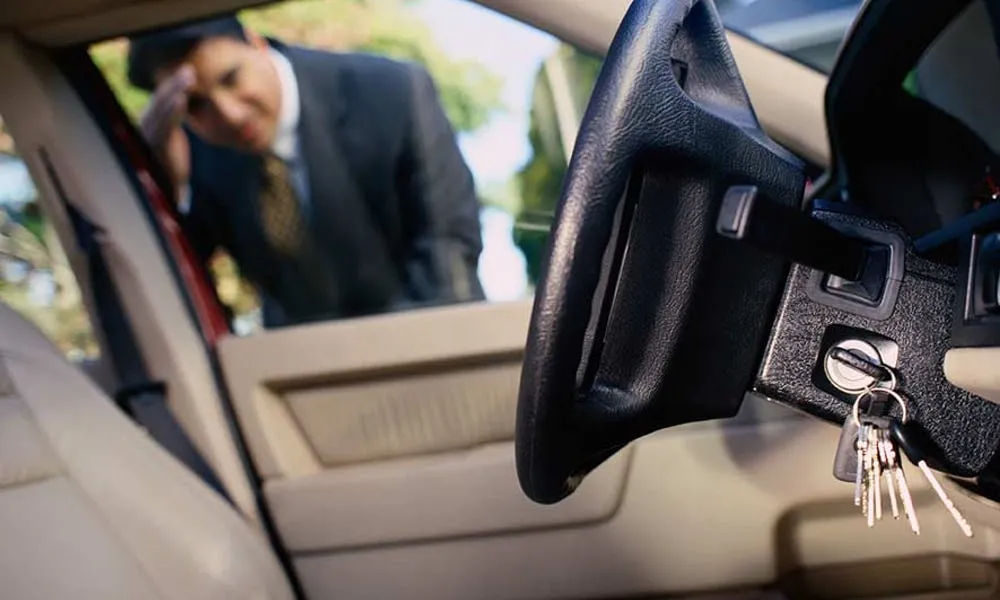
A missing property key can create more than an inconvenience for Denver property managers. Depending on which key is lost, it could affect a single rental unit, a shared entrance, a maintenance room, or several areas controlled by a master key system. Acting quickly helps you assess the actual security risk without replacing locks unnecessarily.
In this guide, you’ll learn how to respond to a missing key, determine whether rekeying is appropriate, document the incident, and strengthen key-control procedures across your properties with help from APEX Locksmith Denver.
Before arranging a lock change, establish exactly which key is missing and where it was last seen. A key assigned to one apartment presents a different risk from a key that opens several common doors.
Start by checking your key inventory, sign-out records, maintenance logs, and recent staff communications. Contact the person who last had the key and ask when it was used, where it may have been misplaced, and whether anyone else received it.
Identify whether the missing key belongs to:
This initial check helps you understand the possible exposure and avoid making unnecessary changes to unrelated locks.
Not every missing key requires the same response. The circumstances surrounding the loss matter just as much as the key itself.
Consider these questions:
If a key was misplaced inside a secure office and quickly recovered, the risk may be limited. If it disappeared with an address label or was stolen from a vehicle, the risk may be higher.
If you suspect unauthorized entry, prioritize immediate safety, follow your property’s incident procedures, and contact the appropriate authorities when necessary. Avoid assuming that a missing key automatically means every lock must be replaced.

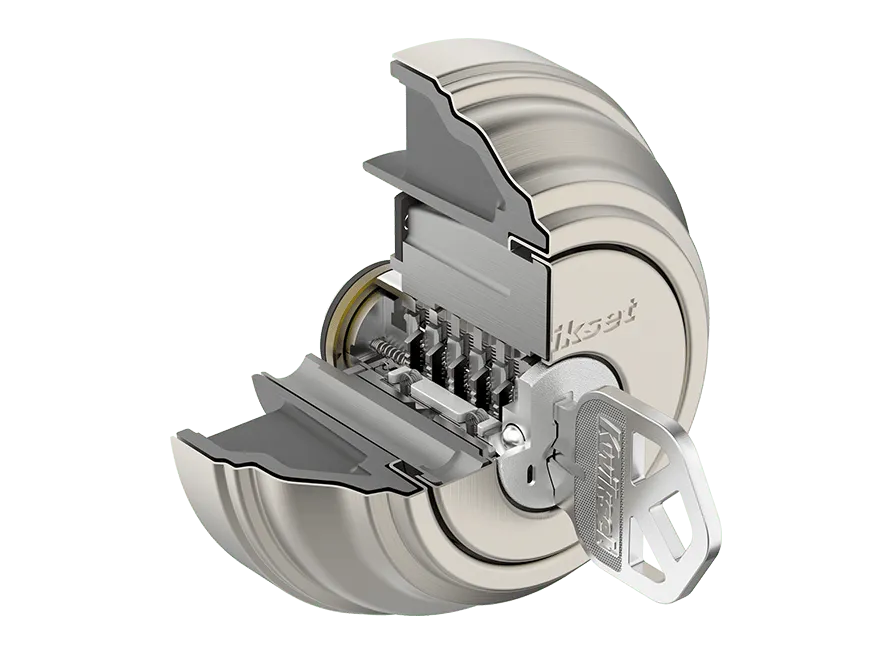
Rekeying changes the lock cylinder’s internal configuration so the old key no longer operates it. In many situations, it can be a practical alternative to replacing an entire lock, provided the existing hardware is suitable.
For Denver property managers, the decision should depend on the missing key’s access scope and the likelihood that an unauthorized person could use it.
Consider professional rekeying when:
A locksmith can assess whether the lock can be rekeyed or whether replacement is more appropriate. For a closer look at your options, explore professional lock rekeying services in Denver.
The goal is to restore appropriate access control while keeping the response proportional to the actual risk.

A missing master key requires more careful assessment because it may open multiple doors rather than a single unit. The potential impact depends on the building’s lock configuration and the areas assigned to that key.
First, identify which doors the missing key can operate. Review the key schedule, access records, and any available lock-system documentation. Do not assume that every key in a master key system opens every door.
Next, consult a qualified locksmith about the available options. Depending on the hardware and system design, the solution may involve rekeying selected locks, changing certain cylinders, or reviewing the wider system configuration.
Before approving work, ask the locksmith to explain:
A documented assessment helps you make a targeted decision instead of disrupting access throughout the entire property unnecessarily.
A missing key should be treated as a property-management incident, even when there is no evidence of unauthorized entry. Written records help you coordinate the response and make better decisions if a similar issue occurs later.
Document the date and approximate time the key was reported missing, the key holder, the areas it may access, and the steps taken to locate it. Record whether the key was potentially stolen, whether it carried identifying information, and which security measures were approved.
Notify the people who need to know, such as the property owner, relevant management staff, or affected residents. Share practical information without unnecessarily disclosing security-sensitive details.
If a lock change or rekeying is required, coordinate access arrangements so residents and authorized staff can enter the property safely. Follow applicable lease terms, management agreements, and relevant local or state requirements when arranging access or communicating with tenants.
A missing key may reveal a broader access-control issue. While addressing the immediate incident, review whether the affected doors and access methods still meet the property’s needs.
Inspect the condition of the relevant locks, door hardware, and strike plates. A lock that is already damaged or unreliable may need repair or replacement rather than rekeying alone.
If your property uses keypad locks, electronic credentials, or access-control systems alongside physical keys, review those credentials separately. Losing a metal key does not automatically invalidate an electronic credential, and disabling an electronic credential does not change a physical lock.
For properties that need professional help with door hardware and security improvements, review commercial locksmith solutions for Denver properties.
The appropriate solution depends on the hardware installed, the access required, and the security risk identified during the assessment.
Once the immediate issue is resolved, review how keys are issued, stored, and returned. A consistent procedure can make future incidents easier to manage.
Use a key sign-out record. Record who receives each key, which property or area it opens, when it is issued, and when it is returned.
Limit unnecessary duplication. Keep spare keys secured and restrict duplication according to your property’s approved procedures and the lock system’s requirements.
Store keys securely. Avoid leaving keys in unlocked drawers, unattended reception areas, or locations accessible to unauthorized people.
Review key assignments regularly. Check which employees, maintenance workers, and contractors still require access. Update records when responsibilities change.
Keep an incident-response plan. Decide who evaluates a missing key, who approves locksmith work, and who communicates with residents or owners.
Property managers overseeing multiple Denver properties should maintain separate, clearly organized records for each building. This reduces confusion when keys, contractors, and maintenance teams are shared across locations.

A written missing-key procedure makes it easier for your team to act consistently, including after business hours.
Your plan should identify the person responsible for assessing the risk, the records that must be checked, and the process for authorizing rekeying or lock replacement. Include a method for documenting the completed work and confirming that affected doors operate correctly.
You should also establish how emergency access will be handled while the situation is being resolved. Avoid informal workarounds that compromise security or leave residents without an appropriate way to enter their homes.
If you manage properties with different lock types or access systems, maintain an updated inventory of the hardware and the locksmith responsible for servicing it. A reliable record helps you make quicker, more informed decisions during a stressful incident.
For support with a missing key or a property lock concern, visit APEX Locksmith Denver to learn more about available locksmith services.
When a key goes missing, the best response is to assess the risk, identify the doors it can access, document the incident, and decide whether rekeying or lock replacement is necessary. A master key may require a wider review, while a key limited to one unit may call for a more targeted solution.
For Denver property managers, clear records and a consistent response plan help protect residents, maintain reliable access, and reduce avoidable expenses. APEX Locksmith Denver can help you evaluate your lock concerns and determine an appropriate next step.
Not automatically. First assess the key’s access scope, the circumstances of the loss, and whether the key could be linked to your property. If the risk is significant or the key may have been stolen, consult a locksmith promptly.
Rekeying can be less expensive when the existing lock is in good condition and compatible with the required changes. The actual cost depends on the lock type, the number of cylinders, and the property’s key system.
Identify every door the key may operate and review the relevant key-system records. A locksmith can assess the affected locks and recommend a targeted solution based on the system’s design and the security risk.
Use a key sign-out log, secure spare keys, limit unnecessary duplication, and review key assignments regularly. Keep an incident-response procedure so staff know how to report and manage a missing key.
Yes. If you have property records, key labels, or lock-system documentation, a locksmith can help assess the likely access scope and inspect relevant hardware. Avoid guessing that the key affects every lock before the system has been reviewed.
Reach Out to Our Locksmiths at Apex With Any Questions You May Have.
We Are Happy to Assist You With Any of Our Services!
Call Us


Apex Denver Locksmith is open 24 hours a day and 7 days a week to provide the best quality locksmith work in Denver Metro and surrounding areas.
Copyright © 2026 | Apex Locksmith Denver