support@LocksmithDenverMetro.com
Contact Us
Reach Out to Our Locksmiths at Apex With Any Questions You May Have.
We Are Happy to Assist You With Any of Our Services!
Property turnover is one of the most routine yet critical responsibilities for property managers. Whether you oversee a single rental home, a multi-family apartment building, or a commercial property in Denver, every tenant move-out introduces an important question:
Even if tenants return every key they were given, there’s no guarantee that duplicates were never made. Former roommates, family members, contractors, cleaning crews, dog walkers, maintenance personnel, or previous occupants may still possess working keys. Leaving the locks unchanged creates an unnecessary security risk for incoming tenants and could expose property owners to avoidable liability.
One of the most common solutions is rekeying—a cost-effective way to ensure old keys no longer work. However, many property managers wonder whether rekeying is always enough or whether replacing locks entirely is the better investment.
The answer depends on several factors, including the condition of the existing locks, the property’s security requirements, tenant turnover frequency, and whether there are concerns about unauthorized access. Understanding the difference between rekeying and lock replacement can help you make informed decisions that protect both your property and your tenants.
At Apex Locksmith Denver, we work with landlords, apartment communities, HOA managers, commercial property owners, and property management companies throughout the Denver metro area to improve security during tenant transitions. This guide explains when rekeying is sufficient, when lock replacement is the smarter choice, and what additional security measures should be considered after every move-out.

A tenant moving out doesn’t automatically mean the property is secure. Even when lease agreements require all keys to be returned, there is often no way to verify how many copies exist.
Common situations include:
If any of these individuals still possess a working key, they may be able to enter the property without authorization.
For property managers, the risks extend beyond unauthorized entry. Failing to secure a property between tenants can result in:
Changing access before new tenants move in demonstrates professionalism while helping protect everyone involved.
Managers responsible for apartment buildings, office spaces, and mixed-use properties often benefit from working with experienced Commercial Locksmith Services in Denver to maintain consistent security across multiple units.

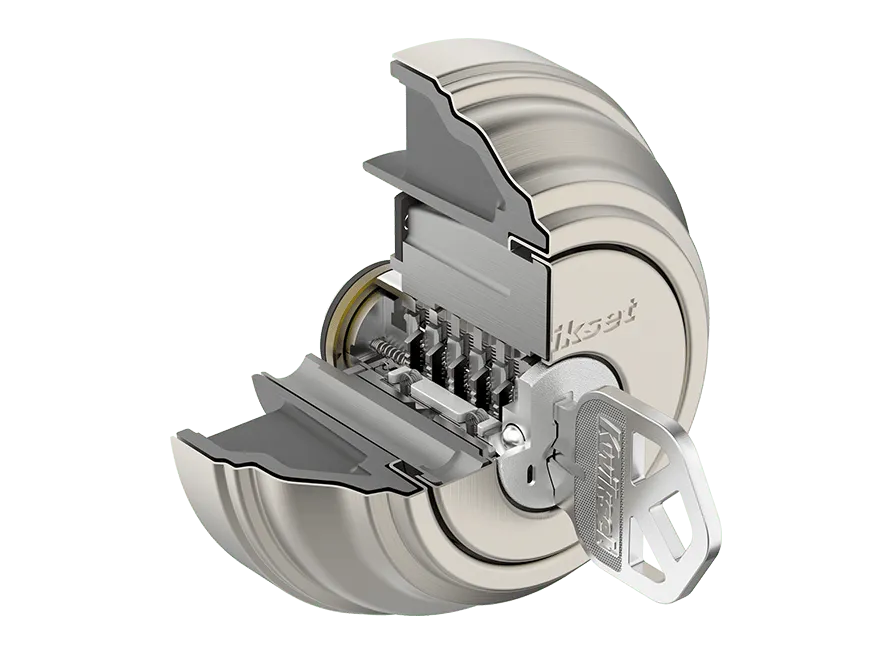
Rekeying is a professional locksmith service that changes the internal configuration of an existing lock so it works with a brand-new key while rendering all previous keys useless.
Rather than replacing the entire lock, a locksmith removes the lock cylinder, replaces or rearranges the internal pins, and creates a new key combination. Once completed, the original keys will no longer operate the lock.
Because the exterior hardware stays in place, rekeying is typically faster and more affordable than installing brand-new locks.
Professional Lock Rekeying Services in Denver help property managers quickly restore security without replacing every lock on the property.
Property managers often choose rekeying because it allows them to:
When performed by a professional locksmith, rekeying provides reliable protection while minimizing downtime between tenants.

Many property managers assume rekeying simply means cutting a new key. In reality, the process involves precision work inside the lock itself.
A typical rekeying service includes:
The locksmith checks whether the lock is functioning properly and determines if it is suitable for rekeying.
The lock is carefully removed and opened to access its internal pin system.
The original pin configuration is replaced with a new combination that matches a newly cut key.
The locksmith verifies that:
The entire process generally takes only a short time per lock, making it an efficient solution for rental turnover.
For many landlords and property managers, rekeying offers an ideal balance between affordability and security.
Some of its biggest advantages include:
Because the lock hardware remains in place, rekeying typically costs less than replacing every lock.
Units can often be secured the same day, reducing vacancy time.
Old keys immediately become useless.
Property managers don’t need to replace matching door hardware throughout the building.
Multiple locks can often be rekeyed to operate with a single master key system, simplifying maintenance access.

Rekeying is an excellent security solution in many situations, but it isn’t a one-size-fits-all answer. Property managers should evaluate the overall condition of the locks, the property’s security needs, and any potential risks associated with previous occupants before deciding whether rekeying alone is sufficient.
In many rental properties throughout Denver, professional rekeying restores security quickly and cost-effectively. However, there are circumstances where replacing the locks or upgrading the property’s security system provides significantly greater long-term value.
For single-family rentals, duplexes, and condominiums, working with a professional Residential Locksmith in Denver helps ensure every property remains secure before new tenants move in.
Understanding when each option is appropriate helps protect both your investment and your tenants.
For many rental properties, rekeying is the most practical choice.
It is generally recommended when:
If the lock operates smoothly, shows no signs of excessive wear, and provides reliable security, replacing the entire lock may be unnecessary.
Rekeying allows you to maintain the existing hardware while ensuring previous keys no longer work.
Sticky locks, loose cylinders, or difficult-to-turn keys may indicate mechanical wear.
If the hardware is functioning correctly, rekeying can restore security without requiring additional hardware costs.

While rekeying is effective, it cannot fix worn-out or outdated hardware.
Property managers should strongly consider replacing locks in the following situations.
Locks experience thousands of operating cycles over their lifespan.
Over time, internal components wear down, increasing the likelihood of:
Rather than repeatedly repairing aging hardware, replacing it can improve both reliability and security.
Attempted break-ins can weaken a lock even if the door wasn’t opened.
Visible signs include:
Rekeying won’t repair physical damage.
Installing new locks is the safer option.
Many rental properties still use builder-grade locks installed years ago.
Today’s security options offer:
If your property has older hardware, replacing locks may significantly improve tenant safety.
If a tenant reports missing keys but isn’t sure where they ended up, simply rekeying may be appropriate if the hardware is still in good condition.
However, if the locks themselves are old or questionable, replacement often provides greater peace of mind.
Apartment communities with frequent move-ins and move-outs often benefit from upgrading to systems designed specifically for property management.
Modern lock systems reduce ongoing maintenance while simplifying access control.
| Feature | Rekeying | Lock Replacement |
| Changes Old Keys | ✅ Yes | ✅ Yes |
| Reuses Existing Hardware | ✅ Yes | ❌ No |
| Lower Cost | ✅ Yes | ❌ Usually Higher |
| Fixes Damaged Locks | ❌ No | ✅ Yes |
| Improves Security Hardware | ❌ No | ✅ Yes |
| Best for Tenant Turnover | ✅ Often | ✅ When Needed |
| Time Required | Usually Faster | Slightly Longer |
There isn’t a universal answer.
Choose rekeying when:
Choose replacement when:
Professional locksmiths can inspect your property’s hardware and recommend the most appropriate solution.

Tenant turnover is an excellent opportunity to evaluate the property’s overall security—not just the locks.
Modern security upgrades can improve convenience while reducing future maintenance.
Smart locks eliminate traditional keys and allow property managers to issue temporary access codes for:
Codes can be deleted instantly after work is completed.
Professional Commercial Locksmith Services in Denver can design scalable master key systems and access solutions for apartment complexes, office buildings, retail properties, and multi-unit facilities.”
Managing dozens of keys quickly becomes difficult.
A master key system allows:
Large apartment communities often benefit from professionally designed master key systems.
High-security locks provide additional protection against:
These systems are particularly valuable for luxury rentals and commercial properties.
Security isn’t only about the lock.
Property managers should also inspect:
Even the strongest lock can fail if installed on a weak door frame.

Managing rental properties involves much more than replacing keys between tenants. Every turnover presents an opportunity to verify that the property’s entry points remain secure, functional, and compliant with your security standards.
While some property owners attempt DIY lock changes, professional locksmith services provide expertise that helps prevent costly mistakes and future security issues.
An experienced locksmith does more than rekey a lock. They inspect the overall condition of your door hardware, cylinders, deadbolts, strike plates, and door alignment to determine whether rekeying or replacement is the better solution.
Vacant units generate lost revenue. A professional locksmith can efficiently rekey or replace locks so the property is ready for the next tenant without unnecessary delays.
If a tenant moves out unexpectedly, loses keys, or a lock fails before the next occupancy, professional Emergency Locksmith Services in Denver can help restore security quickly.
If you manage multiple properties, maintaining an organized key system becomes increasingly important. Professional locksmiths can create master key systems or standardized keying plans that simplify access for authorized personnel while protecting tenant privacy.
Today’s locksmiths can also recommend upgrades such as:
These options can improve convenience while enhancing overall property security.
Every tenant transition should include a standardized security inspection. Following a checklist helps ensure that no critical steps are overlooked.
✔ Rekey or replace all exterior door locks
✔ Test every lock for smooth operation
✔ Inspect deadbolts and strike plates
✔ Check doors for alignment issues
✔ Verify that windows lock securely
✔ Remove old smart lock users and access codes
✔ Reset keypad combinations
✔ Inspect garage door remotes and keypads
✔ Replace lost mailbox keys if necessary
✔ Secure storage units and utility rooms
✔ Update master key records
✔ Document all completed security work
Completing these tasks before a new tenant moves in helps reduce security risks and demonstrates a commitment to maintaining a safe property.

Although there is no universal legal requirement that applies to every rental property, rekeying is considered a best practice in many situations.
Property managers should consider rekeying:
Routine rekeying helps ensure that only authorized individuals can access the property.
Even experienced property managers can overlook simple security measures during tenant turnover.
Avoid these common mistakes:
There’s no way to verify whether duplicate keys were made.
Security should be addressed before occupancy—not afterward.
Rekeying cannot fix damaged or failing hardware.
Remember to secure:
While rekeying is often cost-effective, investing in new locks or upgraded security can save money over the long term by reducing maintenance and improving tenant satisfaction.
Every tenant move-out is an opportunity to strengthen your property’s security. Whether you need professional lock rekeying, lock replacement, master key systems, or upgraded commercial security, APEX Locksmith Denver provides fast, reliable locksmith solutions for landlords, property managers, apartment communities, and commercial properties throughout the Denver metro area. Our experienced technicians help you secure every entry point, reduce security risks, and prepare your property for its next tenant with confidence.
Request a Commercial Security Consultation
In many cases, yes. Rekeying is an effective solution when the existing locks are in good condition and there are no concerns about damaged hardware or compromised security. If the locks are outdated or worn, replacement may be the better option.
Many property managers choose to rekey locks after each tenant move-out because it prevents previous keys from working and helps protect incoming tenants.
Generally, yes. Since rekeying reuses the existing hardware, it often costs less than installing completely new locks while still improving security.
Replacement is recommended when locks are damaged, outdated, difficult to operate, or when upgrading to higher-security or smart lock systems.
Yes. Professional locksmiths can often rekey multiple units during a scheduled visit, making it an efficient option for apartment communities and property management companies.
Smart locks can simplify access management by allowing temporary codes for tenants, maintenance staff, and contractors. They can also eliminate the need to physically exchange keys during every turnover.
Reach Out to Our Locksmiths at Apex With Any Questions You May Have.
We Are Happy to Assist You With Any of Our Services!
Call Us


Apex Denver Locksmith is open 24 hours a day and 7 days a week to provide the best quality locksmith work in Denver Metro and surrounding areas.
Copyright © 2026 | Apex Locksmith Denver