support@LocksmithDenverMetro.com
Contact Us
Reach Out to Our Locksmiths at Apex With Any Questions You May Have.
We Are Happy to Assist You With Any of Our Services!
When an employee leaves your business, returning company keys should be part of the normal offboarding process. But what happens when a former employee keeps a working key?
The key does not automatically stop working when employment ends. Unless the lock is rekeyed, replaced, or upgraded, that former employee may still have physical access to the property. For businesses handling customer information, inventory, equipment, or other valuable assets, that can create an unnecessary security concern.
A professional Locksmith Denver business can help companies evaluate their existing locks and determine whether rekeying, replacement, or another access-control solution is appropriate after employee turnover.
A traditional mechanical key provides access based on possession. The lock does not know whether the person using it is a current employee or someone who left the company months ago.
If a former employee keeps a working key, the business cannot be certain that the key will remain unused. There is also no easy way to determine whether the original key was duplicated before the employee left.
The risk can be more significant when one key provides access to several areas, such as:
For this reason, businesses should treat missing keys as an access-control issue rather than simply an administrative inconvenience. Working with commercial Locksmith Denver security professionals can help identify which locks may need attention.

The primary issue is continued access.
Imagine an employee leaves your company but keeps a key that opens a side entrance. Six months later, management realizes the key was never returned. Even if there is no evidence of misuse, the business still has an unknown access point.
That uncertainty can make it difficult to answer basic security questions:
A business does not need to assume that a former employee intends to enter the property. Instead, the goal should be to eliminate unnecessary access whenever authorization ends.
This is one reason a Denver Locksmith for commercial lock security can be valuable during employee offboarding.

Rekeying is often a practical option when a former employee retains a physical key.
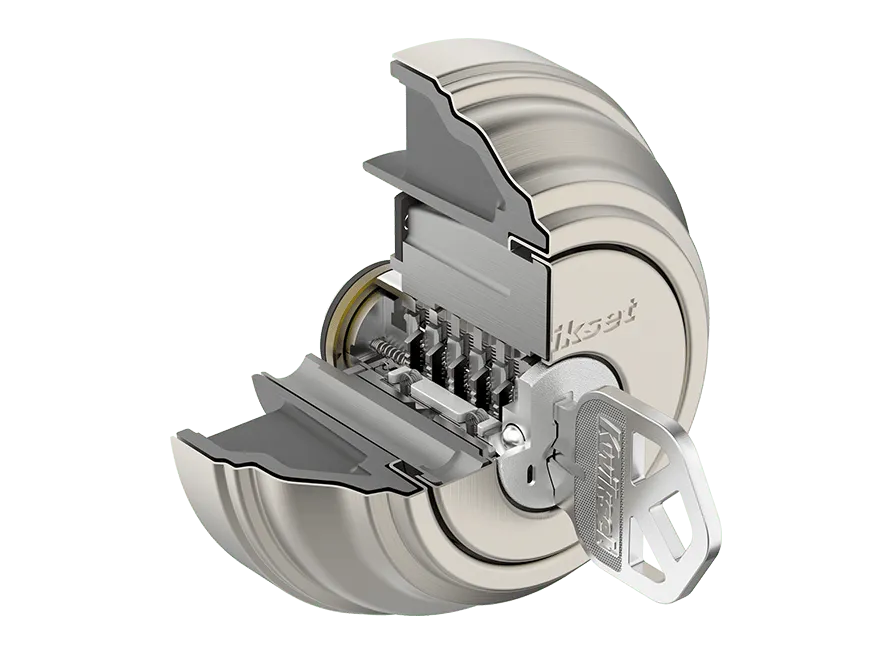
Rather than replacing the entire lock, a qualified locksmith can modify the internal configuration of a compatible lock so the previous key no longer operates it. The business can then issue new keys to authorized employees.
Rekeying may be worth considering when:
For companies with multiple doors, rekeying can also help establish a consistent key system while limiting access to authorized personnel.
However, the best solution depends on the type, condition, and security requirements of the existing hardware. A professional assessment can help determine whether rekeying is sufficient.

Rekeying is not always the right answer.
If the existing locks are damaged, outdated, unreliable, or no longer provide the level of security your business requires, replacement may be a better long-term investment.
Lock replacement can also make sense when a business is upgrading its overall security system. For example, companies with frequent employee turnover may benefit from electronic access control, where individual credentials can be added or removed without issuing or collecting traditional keys.
A Denver Locksmith can evaluate the existing door hardware and discuss options based on the building’s layout, security requirements, and access patterns.
Businesses should also consider replacement when they cannot confidently determine how many copies of their current keys are circulating.

The easiest way to reduce this type of risk is to make key management part of employee offboarding.
When an employee leaves, management should review every physical and electronic access credential assigned to that person. This can include traditional keys, master keys, key fobs, access cards, and other entry devices.
A practical process includes:
This process gives businesses greater visibility over physical access and reduces the chance of forgotten keys becoming long-term security gaps.

If a former employee still has a working business key, do not rely solely on asking for it back.
First, determine which doors the key can access and whether those areas contain sensitive information, valuable inventory, equipment, or restricted materials. Next, consider whether the key could have been copied.
If you cannot confidently account for the key, changing the lock configuration may provide greater certainty than simply hoping the key will never be used.
For businesses with multiple employees and entrances, it may also be worth reviewing the entire key-control system. One missing key can sometimes reveal a broader problem with how physical access is assigned and monitored.
A qualified Denver Locksmith for business rekeying and lock replacement can inspect the affected hardware and explain the available options.

Yes. A traditional mechanical key generally continues to operate the lock until the lock is rekeyed, replaced, or otherwise modified. The key does not automatically become inactive when employment ends.
Rekeying can be a practical option when a former employee does not return a key or when the business cannot account for all copies. The appropriate solution depends on the affected locks and the level of access involved.
In many situations, rekeying can be less extensive than replacing compatible lock hardware. However, cost and suitability depend on the type and condition of the existing locks and the business’s security requirements.
If you suspect a key was duplicated, simply collecting the original may not restore complete control. Rekeying or replacing the affected lock can prevent previously issued keys from continuing to operate it.
Businesses can maintain key-control records, collect keys during offboarding, document missing keys, limit master-key distribution, and promptly review affected locks when an employee leaves with an active key.
An employee’s departure should also mean the end of their authorized physical access. When a former employee keeps a working key, your business may no longer have complete control over who can enter certain areas.
The right response does not always require replacing every lock. Depending on your situation, rekeying, selective lock replacement, or an upgraded access-control system may provide the appropriate solution.
If a former employee still has a key to your Denver business, APEX Locksmith Denver can inspect your existing locks and help determine the most practical way to restore access control. Contact APEX Locksmith Denver for professional Denver Locksmith commercial security solutions designed around your business’s specific needs.
Restore Your Business Access Control
Reach Out to Our Locksmiths at Apex With Any Questions You May Have.
We Are Happy to Assist You With Any of Our Services!
Call Us


Apex Denver Locksmith is open 24 hours a day and 7 days a week to provide the best quality locksmith work in Denver Metro and surrounding areas.
Copyright © 2026 | Apex Locksmith Denver