support@LocksmithDenverMetro.com
Contact Us
Reach Out to Our Locksmiths at Apex With Any Questions You May Have.
We Are Happy to Assist You With Any of Our Services!
A storefront lock that suddenly becomes difficult to turn can create more than a minor inconvenience. For a Denver business owner or property manager, a jammed entrance lock can delay opening, interrupt deliveries, frustrate employees, and leave the property vulnerable if the door cannot be secured properly at closing time.
If your storefront key used to turn smoothly but now sticks, requires extra force, or occasionally refuses to work, the problem may involve more than the key itself. Commercial locks experience frequent use, and small mechanical problems can become serious failures when they are ignored.
A professional Locksmith Denver service can inspect the entire locking mechanism, identify the source of the problem, and determine whether repair, adjustment, rekeying, or replacement makes the most sense.

Storefront doors are opened and closed repeatedly throughout the day. Employees, customers, vendors, delivery drivers, and managers may all use the same entrance. That constant activity puts considerable stress on the lock, cylinder, door hardware, and frame.
Several different problems can cause repeated jamming.
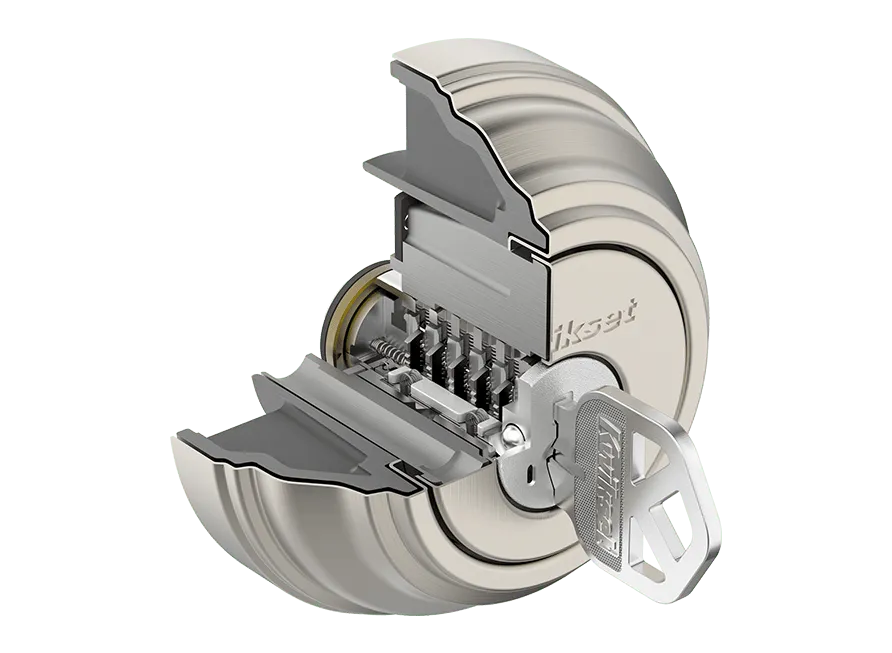
The cylinder contains the internal components that interact with the key. Over time, repeated use can wear these parts down.
You may notice:
A worn cylinder may continue working for a while, but intermittent problems can eventually turn into a complete lock failure.
The lock may not actually be the primary problem. If the door has shifted slightly on its hinges or the frame has moved, the latch or locking bolt may no longer line up correctly with the strike plate.
This can make the key feel unusually difficult to turn because the locking mechanism is under pressure.
A simple test is to see whether the lock becomes easier to operate when you gently pull, push, or lift the door. If the lock operates differently depending on the door’s position, alignment deserves attention.
The strike plate is the metal component that receives the latch or bolt when the door closes. If it becomes loose, bent, or improperly aligned, the locking mechanism can bind.
Repeated slamming can make this problem worse. Employees may compensate by pushing harder on the door or forcing the key, which can place additional stress on the cylinder.
A locksmith can inspect the relationship between the door, frame, latch, and strike plate instead of treating the cylinder as an isolated component.
Storefront entrances are exposed to outdoor conditions. Dust, grit, moisture, and other debris can eventually affect moving parts.
Denver’s changing weather can also expose exterior hardware to temperature changes and moisture. While environmental exposure is not necessarily the sole cause of a jammed lock, it can contribute to wear when combined with frequent use.
If the lock becomes increasingly difficult to operate, cleaning alone may not resolve the underlying mechanical problem.
Sometimes the storefront lock is functioning correctly and the key is the problem.
A frequently used key can become worn, bent, or damaged. If multiple employees use copies made at different times, some keys may work more smoothly than others.
Try another known-good key if one is available. If one key consistently struggles while another operates normally, the key itself may need to be replaced or duplicated properly.
However, if every key has difficulty turning, the lock or door hardware is more likely to be responsible.
When a key refuses to turn, forcing it may seem like the quickest solution. It can also create a much larger repair.
Excessive force can bend or break the key inside the cylinder. A damaged key can then become stuck, leaving employees unable to unlock the storefront.
Forcing the handle or door can also place additional stress on hinges, latches, cylinders, and other hardware.
Instead of repeatedly twisting the key harder, stop when you encounter significant resistance. A professional Denver Locksmith can determine whether the problem is related to alignment, the cylinder, the key, or another part of the door assembly.

Yes. This is one of the most important things to consider.
A commercial storefront lock works as part of a larger system. The cylinder, latch, strike, hinges, frame, door closer, and other hardware all affect how smoothly the entrance operates.
For example, a door that has dropped slightly may place pressure on the latch. The lock itself might be in reasonable condition, but the added pressure can make the key difficult to turn.
That is why replacing the cylinder immediately is not always the right solution.
An experienced technician should first determine what is causing the resistance.
Repair may make sense when the existing hardware is structurally sound but has developed a correctable problem.
Depending on the situation, a locksmith may identify:
Professional diagnosis can help avoid replacing a perfectly usable lock when the actual problem is related to installation or alignment.
For businesses that need professional assistance with damaged or malfunctioning hardware, APEX Locksmith Denver provides commercial lock repair and locksmith solutions in Denver.

Repair is not always practical. If the cylinder or lock body is badly worn, repeatedly fails, or no longer provides reliable operation, replacement may be more appropriate.
Replacement can also make sense when:
The goal should not simply be to install a new lock. The replacement should be properly matched to the storefront door and the business’s access requirements.
APEX Locksmith Denver also handles commercial lock installation and replacement solutions for businesses that need new commercial hardware.
Rekeying is different from replacing a lock.
During rekeying, the existing lock hardware can be adjusted so that previous keys no longer operate it. This can be useful when a business changes employees, loses track of keys, or needs to restrict access without replacing otherwise functional hardware.
However, rekeying does not automatically solve a mechanical jamming problem.
If the cylinder itself is worn or damaged, changing its key configuration will not necessarily correct the physical defect. A locksmith should inspect the hardware first and determine whether rekeying is appropriate.
This can be particularly useful for businesses with multiple employees or commercial tenants where key control changes regularly.
A storefront lock that jams occasionally can be easy to ignore because the door still works most of the time.
That approach can backfire.
A lock that works nine times out of ten may fail when you need it most. The problem could occur before opening, during a busy customer period, or when employees are trying to secure the building at night.
Early attention can help you:
Addressing a developing mechanical issue is often easier than dealing with a lock that has already failed completely.

Start by avoiding excessive force.
If the key is difficult to turn, do not repeatedly twist it harder. If possible, check whether another properly functioning key produces the same result. Pay attention to whether the door needs to be pushed, pulled, or lifted for the lock to operate.
These observations can provide useful information for a locksmith.
If the lock remains difficult to operate, professional inspection is the safer next step. A technician can evaluate the cylinder, key, door alignment, strike, latch, and surrounding hardware before recommending a solution.
For broader commercial security needs, businesses can also review professional commercial locksmith services for Denver properties.
Get Help With a Jammed Storefront Lock
A storefront lock should not require force every time an employee opens the business. Repeated sticking, grinding, difficult key insertion, or inconsistent operation can indicate a problem that deserves professional attention.
APEX Locksmith Denver can help businesses evaluate troublesome locks and determine whether the situation calls for adjustment, repair, rekeying, or replacement.
If your storefront lock is becoming unreliable, contact APEX Locksmith Denver for professional locksmith assistance and discuss the issue before a minor problem becomes a complete lockout.
This can happen because of a worn cylinder, door misalignment, pressure on the latch, a damaged key, or an internal mechanical problem. If the issue happens repeatedly, forcing the key can increase the chance of breaking it inside the lock.
In some situations, yes. If the hardware is still serviceable, a locksmith may be able to adjust the door, correct alignment, address the strike plate, or repair certain components. Replacement becomes more appropriate when the existing hardware is significantly worn or damaged.
Pay attention to whether the lock operates differently when you gently push, pull, or lift the door. If the key turns more easily when the door position changes, alignment or related door hardware may be contributing to the problem.
Not necessarily. Occasional jamming can have several causes, including a worn key or door alignment issue. A professional inspection can help determine whether adjustment or repair is sufficient or whether replacement would provide a more dependable solution.
Yes. A bent, worn, or poorly duplicated key may fail to interact correctly with the lock’s internal components. Trying another properly cut key can help identify whether the key is contributing to the problem.
No. Rekeying changes the lock’s internal configuration so existing keys no longer operate it, while replacement involves installing new lock hardware. Rekeying can be useful for access-control changes, but it does not necessarily fix a physically damaged or worn mechanism.
Consider professional assistance when the key repeatedly sticks, the lock requires excessive force, the door does not latch correctly, the key breaks, or the entrance becomes difficult to secure. Prompt inspection can help identify the cause before the lock fails completely.
A storefront lock that keeps jamming is rarely something a business should simply work around. The cause could be a worn cylinder, damaged key, misaligned door, loose strike plate, environmental exposure, or another hardware issue.
The important step is identifying the actual source instead of repeatedly forcing the lock.
With professional evaluation from APEX Locksmith Denver, businesses can make a more informed decision about repairing, rekeying, adjusting, or replacing their storefront locking hardware. Addressing the issue early can help keep daily operations moving and make the entrance more dependable for employees and customers.
Reach Out to Our Locksmiths at Apex With Any Questions You May Have.
We Are Happy to Assist You With Any of Our Services!
Call Us


Apex Denver Locksmith is open 24 hours a day and 7 days a week to provide the best quality locksmith work in Denver Metro and surrounding areas.
Copyright © 2026 | Apex Locksmith Denver