support@LocksmithDenverMetro.com
Contact Us
Reach Out to Our Locksmiths at Apex With Any Questions You May Have.
We Are Happy to Assist You With Any of Our Services!
Running a retail business in Denver comes with many responsibilities, and protecting your property is one of the most important. Whether you own a boutique in Cherry Creek, a convenience store in Capitol Hill, a restaurant in LoDo, or a specialty shop in Lakewood, your business depends on reliable security every day.
Retail stores face a variety of risks, including shoplifting, break-ins, vandalism, employee turnover, and unauthorized access after business hours. While alarm systems and surveillance cameras are valuable, your first line of defense is always the physical security of your building. Strong commercial locks, controlled access, and regular maintenance help prevent many common security issues before they become expensive problems.
A trusted Denver Locksmith can evaluate your property’s security, recommend upgrades, and ensure every entry point is properly protected. Rather than waiting until a lock fails or a break-in occurs, taking a proactive approach can save your business time, money, and unnecessary stress.
This retail security checklist highlights practical steps every Denver store owner should follow to improve safety, protect inventory, and create a secure environment for employees and customers alike.
If you’re looking for a simple answer, every Denver retail store should:
Following these steps significantly improves physical security and reduces opportunities for theft or unauthorized access.

Retail theft remains one of the most common concerns for store owners. While cameras can help identify suspects, secure display cases, controlled exits, and properly functioning locks make theft more difficult from the start.
Businesses frequently hire seasonal or part-time employees. Every staffing change increases the importance of reviewing who still has access to keys or electronic credentials. Rekeying locks after employee departures is often a simple yet highly effective security measure.
Criminals often target businesses during evenings, holidays, or long weekends. Weak locks, damaged doors, or neglected rear entrances can become easy points of entry. Installing Commercial Security Locks Denver businesses trust can greatly improve resistance against forced entry.
Property damage affects both security and customer confidence. Well-maintained doors, quality locking hardware, and visible security measures discourage opportunistic vandalism.
One misplaced key can compromise an entire building. Instead of wondering who might have access, many businesses choose professional lock rekeying to restore security without replacing every lock.
Storage rooms, offices, inventory areas, and employee-only sections should remain accessible only to authorized staff. Modern Access Control Systems Denver businesses rely on allow owners to manage permissions without distributing multiple physical keys.
Many insurance providers expect businesses to maintain reasonable physical security. Proper lock maintenance, commercial-grade hardware, and documented security improvements may support insurance requirements and simplify claims after incidents.

Below is a practical checklist every retail business should review regularly.
Your front entrance protects everything inside your business. Standard residential locks are not designed for commercial use and can wear out quickly under heavy traffic.
Choose commercial-grade locks designed for frequent operation and stronger resistance to forced entry. A professional Business Locksmith Denver can recommend hardware that matches your building, traffic level, and security needs.
Not all locks provide the same level of protection.
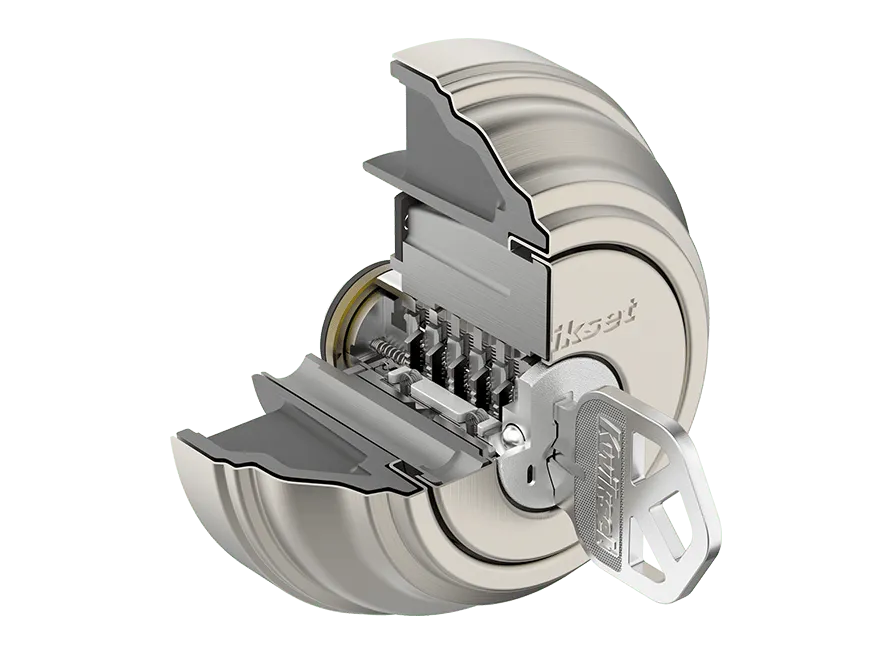
High-security lock systems typically offer:
These features make unauthorized entry significantly more difficult while providing long-term reliability for busy retail locations.
Whenever employees leave your company, consider whether they still possess keys.
Rather than replacing every lock, rekeying changes the internal pins so previous keys no longer work.
Rekeying is often one of the most cost-effective improvements a business can make, especially after:
Traditional keys are easy to duplicate.
Restricted key systems require authorization before copies can be made, giving business owners greater control over who can create additional keys.
This is particularly valuable for:
Modern retail businesses increasingly replace traditional keys with electronic access management.
Access control systems allow owners to:
These systems are especially useful for stores with multiple employees or sensitive inventory areas.
Many burglaries occur through service entrances rather than the front door.
Inspect:
Every entrance should receive the same level of protection as the main customer entrance.
Inventory often represents the largest financial investment inside a retail business.
Storage rooms should include:
Only authorized personnel should be able to enter inventory areas.
Emergency exits must balance life safety with building security.
Commercial panic hardware allows quick emergency evacuation while preventing unauthorized exterior entry.
Routine inspections ensure panic bars continue operating correctly throughout the year.
A door that doesn’t fully close can compromise your entire security system.
Check that every commercial door:
Small mechanical problems often become larger security risks if ignored.
Cash handling areas deserve additional protection.
Consider:
Reducing unnecessary access helps improve accountability and protects business assets.

Retail display cabinets often hold the most valuable merchandise in the store, making them attractive targets for theft. Whether you sell jewelry, electronics, luxury handbags, collectibles, or specialty products, these cabinets should have commercial-grade locking systems.
Choose locks that are difficult to pick or duplicate, and inspect them regularly for wear. Store owners should also limit cabinet keys to trusted employees only.
Loading docks and delivery entrances receive frequent use throughout the day. Unfortunately, they are also among the most overlooked security points.
Protect these areas by:
A professional Commercial Locksmith Denver can inspect these entrances and recommend stronger locking solutions.
Locks experience constant wear from daily use. Waiting until one fails can disrupt your business and compromise security.
Schedule regular inspections to check:
Preventive maintenance helps extend hardware life and reduces emergency repair costs.
Emergency exits should always allow occupants to leave safely while preventing unauthorized entry from outside.
Inspect emergency doors regularly to ensure:
A properly maintained exit system supports both life safety and business security.
One of the simplest security mistakes is losing track of spare keys.
Best practices include:
Effective key management reduces unnecessary security risks.
Large retail stores often have multiple rooms requiring different access levels.
A Master Key System allows owners and managers to unlock multiple doors with one key while limiting employee access to designated areas.
Benefits include:
Master key systems are ideal for restaurants, shopping centers, grocery stores, medical offices, and multi-location businesses.
Windows are another common entry point for burglars.
Improve security by installing:
Regular inspections help identify damaged locks before they become vulnerabilities.
Although cameras do not physically stop intruders, they play an important role in documenting incidents and discouraging criminal activity.
Ensure cameras:
Security cameras work best when combined with strong physical locks and access control.
Dark parking lots and poorly lit entrances provide opportunities for criminals.
Install bright lighting around:
Motion-activated lighting can provide additional visibility while reducing energy costs.
Even well-secured businesses occasionally experience lockouts due to misplaced keys, damaged locks, or electronic system failures.
Create a written procedure covering:
Working with a trusted Emergency Locksmith Denver ensures fast assistance whenever unexpected lock issues arise.

Choosing the right lock depends on your business type, traffic level, and security requirements.
ANSI Grade 1 locks provide the highest level of commercial security and durability. They are designed for heavy daily use and are commonly recommended for retail storefronts, offices, and commercial facilities.
Heavy-duty deadbolts strengthen exterior doors and provide excellent resistance against forced entry. They are ideal for front and rear entrances.
Mortise locks combine strength and longevity, making them a popular choice for retail businesses with high customer traffic.
Smart locks allow owners to manage access remotely using smartphones or cloud-based software. Temporary access codes can be issued for employees or contractors without distributing physical keys.
Keypad systems eliminate the need for traditional keys while allowing businesses to change access codes whenever staffing changes occur.
These cylinders resist picking, drilling, bumping, and unauthorized key duplication. They are especially valuable for businesses storing expensive inventory.
Restricted key systems ensure duplicate keys cannot be created without owner authorization, providing greater control over business access.
Modern Access Control Systems Denver businesses use combine electronic credentials, audit trails, scheduling, and remote management into one secure platform.

Even businesses with alarm systems often overlook everyday security practices.
Every additional key increases the risk of unauthorized access.
Businesses often forget to rekey after employees resign or management changes. Old keys may still provide access long after someone leaves.
Budget locks may reduce upfront costs but often wear out faster and provide less resistance against forced entry.
Many store owners focus only on customer entrances while neglecting loading docks and employee entrances.
Dimly lit areas create opportunities for criminals and reduce camera effectiveness.
Employees should understand:
Locks should be inspected before they fail. Regular servicing helps prevent expensive emergency repairs.
Unexpected lock failures happen. Having a trusted Denver Locksmith available helps businesses recover quickly without compromising security.
📷 Image Suggestion (1600 × 900 px)
An APEX Locksmith Denver technician installing an electronic access control system at a retail storefront while consulting with the store owner.
ALT Text: APEX Locksmith Denver improving retail business security.
Retail security is more than simply changing locks. A professional commercial locksmith evaluates your entire property’s physical security and recommends practical improvements based on your building, operations, and budget.
APEX Locksmith Denver provides commercial security solutions for retail stores, restaurants, offices, shopping centers, and other businesses across the Denver Metro Area. Whether you operate in Downtown Denver, Cherry Creek, LoDo, Highlands, Aurora, or Lakewood, experienced technicians can help strengthen your property’s first line of defense.
Common commercial services include:
By combining quality hardware with expert installation, businesses can improve day-to-day operations while reducing the risk of unauthorized access and costly security incidents.

New business owners should make security planning part of the opening process rather than waiting until problems arise.
Some practical tips include:
Planning ahead helps establish strong security habits from day one.

A Denver retail store decorated for the holidays with a locksmith inspecting commercial locks and access control systems before peak shopping season.
ALT Text: Seasonal commercial security inspection for a Denver retail business.
Certain times of the year bring increased customer traffic and additional security risks. Review your security before:
A seasonal review helps ensure your retail store remains protected throughout the year.
APEX Locksmith Denver provides professional commercial locksmith services, including lock installation, rekeying, master key systems, access control, and emergency lock assistance.
Call APEX Locksmith Denver Now
Retail stores should rekey their locks whenever an employee with key access leaves the company, keys are lost or stolen, or ownership changes. Many businesses also schedule periodic rekeying as part of their overall security plan to maintain better control over who can access the property.
Yes. Smart locks are an excellent option for many retail businesses because they allow owners to manage access remotely, assign temporary credentials, and remove employee access without replacing locks. They also provide better accountability by recording entry activity.
ANSI Grade 1 commercial locks, mortise locks, high-security cylinders, commercial deadbolts, and restricted key systems are among the best choices for retail storefronts. The ideal solution depends on your building, business type, daily traffic, and security requirements.
Absolutely. A professional Denver Locksmith can inspect your property, identify vulnerable entry points, recommend stronger commercial hardware, install access control systems, rekey existing locks, and provide ongoing maintenance to help improve overall business security.
A Master Key System allows business owners or managers to unlock multiple doors with one master key while employees only have access to designated areas. This improves convenience, enhances key control, and simplifies security management for retail stores.
Retailers can reduce unauthorized access by installing commercial-grade locks, using restricted key systems, implementing electronic access control, limiting key distribution, securing employee-only areas, and reviewing access permissions whenever staffing changes occur.
Not every business requires a complex system, but many retail stores benefit from access control. It offers flexible permission management, eliminates concerns about lost keys, and allows owners to control who enters offices, stockrooms, and other restricted areas.
Response times vary based on location, traffic, and service availability. A trusted local locksmith like APEX Locksmith Denver aims to provide prompt assistance for business lockouts, damaged locks, broken keys, and other commercial locksmith emergencies throughout the Denver Metro Area.
Reach Out to Our Locksmiths at Apex With Any Questions You May Have.
We Are Happy to Assist You With Any of Our Services!
Call Us


Apex Denver Locksmith is open 24 hours a day and 7 days a week to provide the best quality locksmith work in Denver Metro and surrounding areas.
Copyright © 2026 | Apex Locksmith Denver