support@LocksmithDenverMetro.com
Contact Us
Reach Out to Our Locksmiths at Apex With Any Questions You May Have.
We Are Happy to Assist You With Any of Our Services!
Managing keys across multiple rental properties can become difficult when tenants, maintenance teams, contractors, leasing staff, and property owners all require different levels of access. Without a consistent system, lost or unreturned keys can create security gaps and operational headaches.
A practical key-control strategy helps property managers know who has access, which keys are assigned, when they should be returned, and when locks should be rekeyed or upgraded. Professional Locksmith Denver services can also help property managers create a more organized access system across their rental portfolio.

Rental properties experience frequent changes in occupancy and staffing. A tenant moves out, a contractor completes a project, or an employee leaves the management company. Each situation can change who should have access to the property.
Poor key management can result in:
A consistent key-management process gives property managers better visibility and control over physical access.
The first step is knowing exactly which keys exist for each property. Property managers should maintain an updated inventory covering individual units, common areas, garages, storage rooms, offices, and other secured spaces.
Useful records should include:
A centralized inventory makes it easier to identify missing keys and determine whether a security response is necessary.
Keys should never be distributed without documentation. Every employee, contractor, and authorized vendor should have a defined reason for receiving access.
For example, maintenance personnel may need access to specific buildings, while a property manager may require broader access. A contractor working on one unit may only need temporary access for the duration of a project.
Property managers should document:
This creates accountability and reduces unnecessary key circulation.

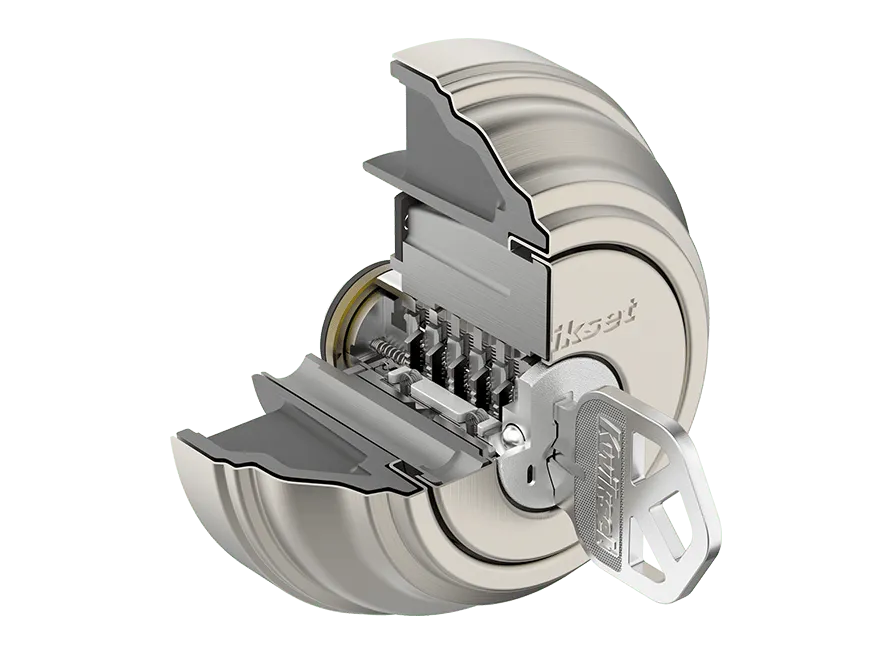
When a key is lost, not returned, or potentially copied without authorization, rekeying can be an efficient way to restore access control. Rekeying changes the lock’s internal configuration so previous keys no longer operate it while the existing hardware can remain in service.
Property managers may need Denver rental property lock rekeying services when:
Rekeying can be particularly useful when the existing lock hardware remains in good condition and does not need replacement.
Property managers overseeing multiple buildings may benefit from a professionally designed master-key system. A properly configured system can provide different access levels without giving every person the same level of entry.
For example:
Professional Denver master key system services can help create an access hierarchy suited to the property’s layout and management structure.
Because a master key can provide access to multiple areas, it should receive stronger protection than an ordinary unit key.
[Image Suggestions]
Tenant turnover is one of the most important points in rental-property key management.
At move-out, property managers should verify the return of all physical access devices, including:
If something is missing, evaluate the potential security risk before giving the next tenant access.
At move-in, document exactly what the new tenant receives. This creates a clear record and makes future key reconciliation easier.
Spare keys should not be stored casually in unlocked drawers, unattended vehicles, or locations that unauthorized individuals can access.
Property managers can improve physical key security by:
Every important key should have either an accountable user or a documented secure storage location.

Managing different lock types across numerous properties can make maintenance, rekeying, and replacement more complicated. Where practical, property managers can standardize compatible hardware and access procedures.
Professional commercial locksmith solutions for Denver property managers can help evaluate existing hardware and identify opportunities to create more consistent security standards.
Standardization may simplify:
This can be especially valuable for property managers responsible for multiple buildings.
Traditional keys remain practical for many rental properties, but larger portfolios may benefit from electronic access systems. Depending on the property, options may include keypad locks, smart locks, electronic credentials, or other controlled-entry systems.
Electronic access can make it easier to provide temporary access and change credentials when tenants, employees, or contractors change.
However, electronic locks are not automatically the best solution for every property. Property managers should consider the building’s design, tenant expectations, reliability, maintenance requirements, and security objectives before making an upgrade.
A key inventory is only useful when it remains accurate. Property managers should periodically compare their records with the keys and access credentials currently in circulation.
During an audit, verify:
If the records do not match reality, investigate the discrepancy promptly.
Regular audits can reveal access problems before they develop into larger security concerns.
Managing several rental properties becomes easier when property managers have an established locksmith strategy instead of searching for assistance whenever a key problem occurs.
A professional locksmith can assist with:
For properties requiring new or upgraded hardware, professional lock installation in Denver can help property managers establish consistent access standards.
A lost key does not automatically mean every lock at the property needs to be replaced. First, determine what the key could access and who may potentially have it.
Property managers should:
Lost master keys deserve particular attention because they may provide access to several units or secured areas.
The most effective approach combines centralized records, controlled key distribution, secure storage, regular audits, and timely rekeying.
Property managers should:
This system provides better visibility over physical access while reducing avoidable security gaps.

Property managers should consider professional locksmith assistance whenever access control changes significantly. Common situations include tenant turnover, employee departures, lost master keys, suspected unauthorized copies, property acquisitions, management changes, and security upgrades.
A professional Denver Locksmith can assess the existing hardware and recommend an appropriate solution based on the property’s actual access requirements.
Not necessarily. However, rekeying may be appropriate when keys were not returned, unauthorized copies may exist, or the property’s access history is uncertain.
Rekeying can often be more cost-effective when existing hardware remains in good condition. Replacement may be better when locks are damaged, outdated, or unsuitable for the property’s security requirements.
A lost master key should be treated as a significant access-control issue. Identify the areas it can open and have a qualified locksmith determine whether affected locks should be rekeyed.
Yes. An ongoing locksmith relationship can help property managers maintain consistent hardware, key-control procedures, and security standards across multiple properties.
They can be. Electronic locks may simplify temporary access and credential management, particularly for larger portfolios. The appropriate solution depends on the property’s design, budget, tenant requirements, and security goals.
Effective key management is about more than keeping track of spare copies. Property managers need a repeatable system that controls access, documents key assignments, responds to lost credentials, and prevents former tenants, employees, or contractors from retaining unnecessary access.
Whether you manage a few rental units or a larger Denver portfolio, APEX Locksmith Denver can assist with lock rekeying, installation, repairs, key management, and access-control solutions.
Get Professional Locksmith Help in Denver
Reach Out to Our Locksmiths at Apex With Any Questions You May Have.
We Are Happy to Assist You With Any of Our Services!
Call Us


Apex Denver Locksmith is open 24 hours a day and 7 days a week to provide the best quality locksmith work in Denver Metro and surrounding areas.
Copyright © 2026 | Apex Locksmith Denver