support@LocksmithDenverMetro.com
Contact Us
Reach Out to Our Locksmiths at Apex With Any Questions You May Have.
We Are Happy to Assist You With Any of Our Services!
When a tenant moves out of a Denver rental property, collecting the keys is only the first step. A landlord may receive the main door key, mailbox key, garage remote, storage key, or other copies—but there is no easy way to know whether additional duplicates are still in circulation.
That creates an important security question: What should a Denver landlord do with old tenant keys?
The safest approach is to treat every tenant change as an opportunity to review access. Depending on the condition of the locks and the level of control needed, a landlord may choose to rekey the existing hardware, replace certain locks, or upgrade the property’s access system.

Returning a key does not necessarily mean that every copy has been returned.
A former tenant may have made duplicates for a roommate, family member, friend, contractor, or another person. Copies can also become misplaced over time. Once a tenancy ends, a landlord generally cannot know exactly how many keys exist unless the property uses a controlled access system.
For rental homes, condos, and apartment units, maintaining control over access is especially important when occupants change regularly.
A Locksmith Denver professional can inspect the existing hardware and help determine whether rekeying or replacement makes sense for the property.

In many situations, rekeying is a practical option.
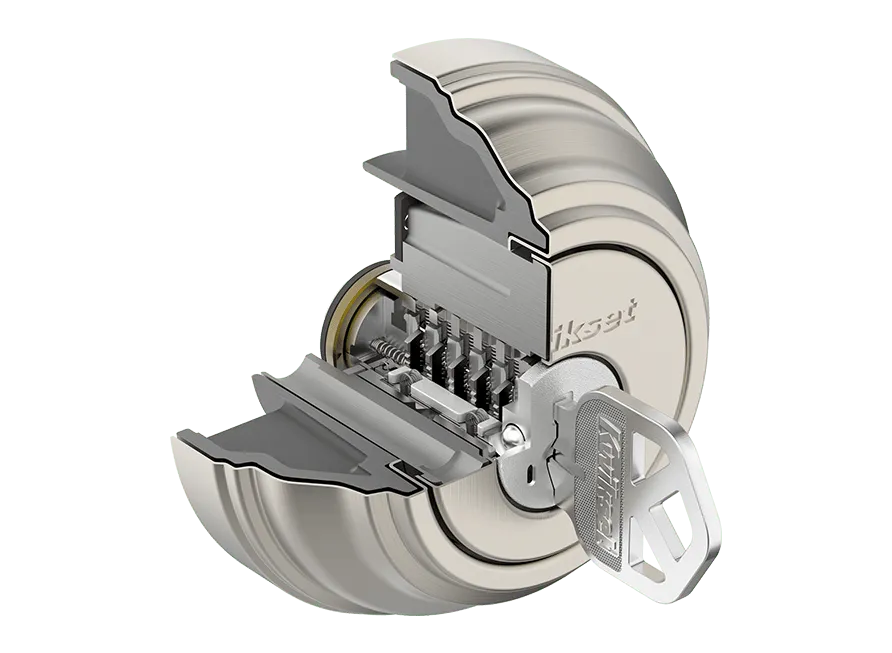
Rekeying changes the internal configuration of a compatible lock so the previous key no longer operates it. The existing lock hardware can remain in place while access is reset for the next occupant.
This can be useful when:
Landlords managing several properties may find a consistent rekeying process easier to manage than replacing every lock after every vacancy.
For properties where the existing hardware is suitable, professional lock rekeying services for Denver rental properties can help reset access before the next tenant receives the keys.

Rekeying is not always the right solution.
If a lock is damaged, heavily worn, outdated, or no longer functioning reliably, replacement may be more appropriate. A rental property is easier to manage when its entry hardware operates smoothly and consistently.
Consider replacing a lock when:
A lock that sticks, becomes difficult to turn, or has visible damage may eventually fail at an inconvenient time. Replacing compromised hardware can address both the access issue and the underlying mechanical problem.
Older locks may lack features that are useful for modern rental properties. Depending on the property, a landlord may consider stronger deadbolts, electronic locks, or other updated hardware.
A tenant transition can be a convenient time to make broader security improvements rather than simply changing who can use the existing key.
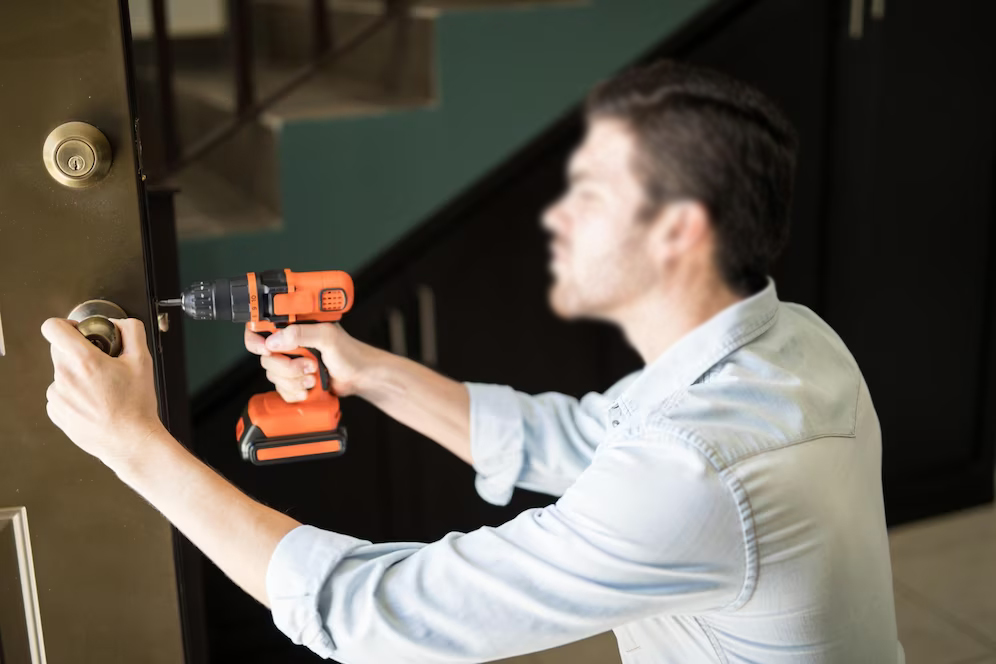
Professional lock installation services in Denver can help landlords select and install compatible hardware based on the property and door.
Landlords can reduce confusion by following the same procedure whenever a tenant leaves.
Start by documenting the keys issued at move-in. Depending on the property, this may include:
At move-out, compare the returned items with the original record.
If anything is missing, do not assume the missing key was simply lost without consequence. Consider whether the affected lock should be rekeyed or replaced before the next tenant moves in.
A consistent process helps landlords avoid relying on assumptions about who still has access.

Rental properties often involve more than one type of key.
A tenant may have access to a mailbox, garage, storage area, exterior gate, laundry room, or shared entrance. Changing the apartment door lock alone may not address every access point.
Landlords should therefore review the entire property rather than focusing only on the unit’s main entrance.
If a missing key provides access to a shared or sensitive area, address that access separately. In larger properties, a professional can also help organize different access levels so maintenance personnel, property managers, and tenants do not automatically receive the same permissions.
Key management becomes much easier when landlords maintain accurate records.
For each rental unit, consider documenting:
This record can help identify recurring problems and gives landlords a clearer picture of their property’s access history.
For landlords managing multiple buildings or commercial rental spaces, professional commercial locksmith services in Denver can also support broader access-management needs.
If a former tenant leaves with keys, the landlord should avoid assuming that the keys will never be used.
Instead, consider the actual risk and whether the locks should be rekeyed. The same applies if a tenant says a key was lost, stolen, or copied without authorization.
A Denver Locksmith can evaluate the affected locks and explain whether rekeying, replacement, or another access solution is appropriate.
The goal is not simply to collect physical keys. It is to make sure the previous tenant’s keys no longer provide unwanted access when the tenancy has ended.
A practical move-out security checklist can include:
Following the same process for every turnover makes rental-property security more predictable and easier to manage.
Tenant turnover is a normal part of rental-property management, but access control should not be overlooked.
If you are unsure whether your rental property’s locks should be rekeyed or replaced, APEX Locksmith Denver can assess the existing hardware and discuss practical options based on the condition of the locks and your access requirements.
Rekeying after tenant turnover can be a practical way to prevent previous keys from working. The decision depends on the property’s locks, access requirements, and the landlord’s security procedures.
Not always. Rekeying can work well when existing locks are in good condition. Replacement may be more appropriate when hardware is damaged, worn, outdated, or when a landlord wants different security features.
A landlord should determine which locks those keys operate and consider rekeying or replacing the affected hardware before giving access to a new tenant.
Not necessarily in every situation, but those access points should be reviewed whenever a tenant moves out. If an unreturned key provides access to a shared or restricted area, additional action may be appropriate.
Many compatible locks can be rekeyed. A locksmith can inspect the hardware and determine whether rekeying is practical or whether replacement would be a better option.
Treat a stolen key differently from an ordinary missing key because someone else may have access to it. Rekeying or replacing the affected lock can help restore control over the property.
Consider an upgrade when existing locks are damaged, outdated, unreliable, or no longer meet the property’s access requirements. A professional can help identify suitable options for the doors and intended users.
Reach Out to Our Locksmiths at Apex With Any Questions You May Have.
We Are Happy to Assist You With Any of Our Services!
Call Us


Apex Denver Locksmith is open 24 hours a day and 7 days a week to provide the best quality locksmith work in Denver Metro and surrounding areas.
Copyright © 2026 | Apex Locksmith Denver