support@LocksmithDenverMetro.com
Contact Us
Reach Out to Our Locksmiths at Apex With Any Questions You May Have.
We Are Happy to Assist You With Any of Our Services!
A commercial door lock that works from one side but not the other should never be ignored. It may indicate a worn lock cylinder, damaged internal mechanism, door misalignment, loose hardware, or an issue with an electronic access-control system.
For a business, an unreliable lock can create more than an inconvenience. It can affect employee access, customer entry, building security, and the ability to secure the property after business hours.
Before forcing the key or replacing the entire lock, identify the symptoms and have the locking system properly inspected. A professional Locksmith Denver technician can determine whether the problem requires repair, adjustment, rekeying, or replacement.
When a commercial lock operates from one side but fails from the other, the problem is often related to a specific component of the locking system.
You might notice that:
These symptoms provide useful clues. For example, a lock that works correctly while the door is open but becomes difficult when closed may have an alignment problem rather than a failed cylinder.

Several different issues can produce the same symptom. That is why replacing the lock immediately is not always the best solution.

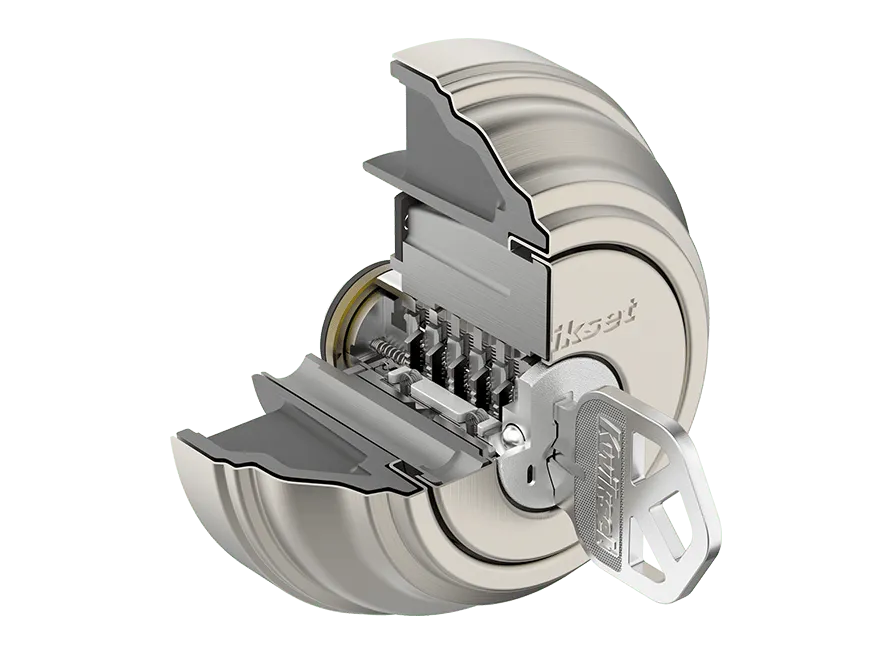
The cylinder is responsible for responding to the key. Continuous commercial use can eventually cause internal wear.
A damaged or worn cylinder may cause the key to stick, turn inconsistently, or stop operating the lock altogether. If the cylinder is the problem, replacing the complete door lock may not be necessary.
Commercial locking hardware contains internal components that transfer movement from the key, lever, or thumb turn to the latch or deadbolt.
If one of these components becomes worn or damaged, the lock may function from one side while failing from the other.
A professional technician can determine whether the internal mechanism can be repaired or whether replacement is more practical.
Sometimes the lock itself is perfectly functional.
A commercial door can gradually shift because of heavy use, worn hinges, building movement, or loose hardware. When the door moves out of alignment, the latch or deadbolt may press against the strike instead of entering it smoothly.
This can make the lock feel defective even though the actual issue is the door or frame.
Loose handles, screws, cylinders, strike plates, or other components can interfere with normal lock operation.
Because commercial doors are frequently used throughout the day, small hardware problems can gradually become larger security and access issues.
Some commercial properties use mechanical locks together with electronic access control.
If the door has an electronic reader, electric strike, magnetic locking system, or other access-control hardware, the issue may not be limited to the mechanical lock.
In these situations, professional diagnosis is particularly important because mechanical and electronic faults require different troubleshooting approaches.
You can perform a few simple observations before arranging professional service.
Open the door and operate the lock.
If it works smoothly while open but becomes difficult when the door is closed, the issue may involve alignment between the door, frame, latch, or strike.
Determine exactly which side works and which side does not.
Tell the technician whether the problem affects the exterior key, interior thumb turn, handle, latch, or deadbolt.
Notice whether the key:
Do not force a key that is resisting significantly. Excessive force can turn a lock problem into a broken-key emergency.
Look for obvious signs of sagging, rubbing, or uneven spacing around the door.
If you have to push, pull, or lift the door to make the lock operate, mention this to the locksmith.
Visually check the handle, strike plate, cylinder, and other accessible hardware for obvious looseness or damage.
The purpose of these checks is to identify symptoms—not to dismantle commercial-grade locking hardware.
Yes. Door alignment is one of the most commonly overlooked possibilities when a commercial lock becomes difficult to operate.
Commercial entrances may be opened and closed hundreds of times. Over time, hinges can wear, doors can sag, and frames or strike plates can shift.
When that happens, the latch or deadbolt may no longer line up correctly with the strike.
Pay attention if:
In these situations, a Denver Locksmith professional should inspect the entire door assembly instead of assuming the cylinder needs replacement.
If your business has additional damaged or malfunctioning hardware, professional commercial door lock repair in Denver can help identify whether the problem is with the lock, door, frame, or related hardware.
The answer depends on how reliably the lock operates.
If the lock is slightly stiff but still works consistently, arranging maintenance before the problem becomes worse may be reasonable.
However, the situation deserves immediate attention if:
A commercial entrance needs to provide predictable access and security. If either function becomes unreliable, professional inspection is the safer approach.
The appropriate solution depends on what caused the failure.
Repair:
A repair may be suitable when a specific component is damaged or loose and the existing hardware remains appropriate for the property.
Rekeying:
Rekeying is useful when the lock works correctly but you need to change which keys operate it. This can be valuable after employee turnover, lost keys, or changes in authorized access.
Replacement:
Replacement may make more sense when the hardware is severely worn, damaged, outdated, or no longer provides the desired level of security.
Door or hardware adjustment:
If the problem is caused by hinges, door alignment, the strike, or related hardware, adjusting those components may solve the issue without replacing the lock.
A qualified Locksmith Denver technician can inspect the system and recommend the most appropriate solution.
For businesses dealing with repeated hardware problems, professional commercial locksmith services in Denver provide a more complete approach than simply replacing individual components without diagnosing the underlying cause.
When employees encounter a lock that does not work, they may try to force the key, handle, or door.
That can make the original problem significantly worse.
Forcing the mechanism may:
If a key suddenly becomes difficult to turn or the lock stops operating normally, stop forcing it. Professional commercial lock repair services in Denver can diagnose the issue before additional damage occurs.

You should arrange professional service when a commercial lock consistently works from only one side or when the issue affects your property’s ability to remain secure.
Professional assistance is particularly appropriate when:
A professional technician can inspect the lock, cylinder, door, frame, strike, and related hardware before recommending a solution.
If the issue involves broader business security, Denver commercial locksmith solutions for business properties can address repair, rekeying, replacement, and other commercial lock requirements.

A proper diagnosis should not begin with automatically replacing the entire lock.
A professional inspection generally follows a simple process:
Inspect → Test → Identify → Repair → Verify
First, the technician examines the door, frame, cylinder, latch, strike, handles, and other relevant hardware.
Next, the lock is tested from both sides to reproduce the problem.
The technician then determines whether the underlying cause is mechanical, alignment-related, hardware-related, or connected to electronic access control.
After identifying the cause, the appropriate component can be repaired, adjusted, rekeyed, or replaced.
Finally, the complete system is tested again to verify that the door locks and unlocks properly from the required sides.
This diagnostic approach helps prevent unnecessary replacement of hardware that may still be serviceable.
Preventive maintenance can help businesses identify developing lock problems before they interrupt normal operations.
Business owners and property managers should:
For high-traffic commercial properties, routine attention to door hardware can help reduce unexpected access and security problems.
A commercial lock that works from only one side does not automatically mean the entire lock needs to be replaced. The cause could be a worn cylinder, internal mechanism failure, door misalignment, damaged hardware, or an access-control problem.
The right solution starts with an accurate diagnosis.
If your Denver business is dealing with a malfunctioning commercial entrance, get professional commercial locksmith assistance in Denver to identify the problem and restore dependable door operation.
The problem may involve the lock cylinder, internal mechanism, door alignment, strike, or related hardware. The exact symptoms help determine which component requires inspection.
Yes. If the door or frame has shifted, the latch or deadbolt may bind against the strike. A lock that works correctly when the door is open but not when closed can indicate an alignment issue.
Not necessarily. Depending on the cause, the solution may be a repair, adjustment, cylinder replacement, rekeying, or complete lock replacement.
They solve different problems. Repair addresses a hardware malfunction, while rekeying changes which keys operate a functioning lock. A professional inspection can determine which service is appropriate.
Contact a professional when the lock becomes unreliable, cannot secure the door, works intermittently, or creates an access problem for employees, customers, tenants, or authorized personnel.
A malfunctioning commercial door lock can affect your business’s security, employee access, and daily operations. APEX Locksmith Denver can inspect the lock, identify the underlying issue, and recommend the appropriate repair, adjustment, rekeying, or replacement solution.
If your commercial door lock is not working properly, get professional assistance before the problem becomes a larger security concern.
Reach Out to Our Locksmiths at Apex With Any Questions You May Have.
We Are Happy to Assist You With Any of Our Services!
Call Us


Apex Denver Locksmith is open 24 hours a day and 7 days a week to provide the best quality locksmith work in Denver Metro and surrounding areas.
Copyright © 2026 | Apex Locksmith Denver