support@LocksmithDenverMetro.com
Contact Us
Reach Out to Our Locksmiths at Apex With Any Questions You May Have.
We Are Happy to Assist You With Any of Our Services!
A business security incident does not always end when the immediate problem is resolved. A lost key, employee departure, attempted break-in, or unauthorized key copy can leave someone with access to your property long after the incident.
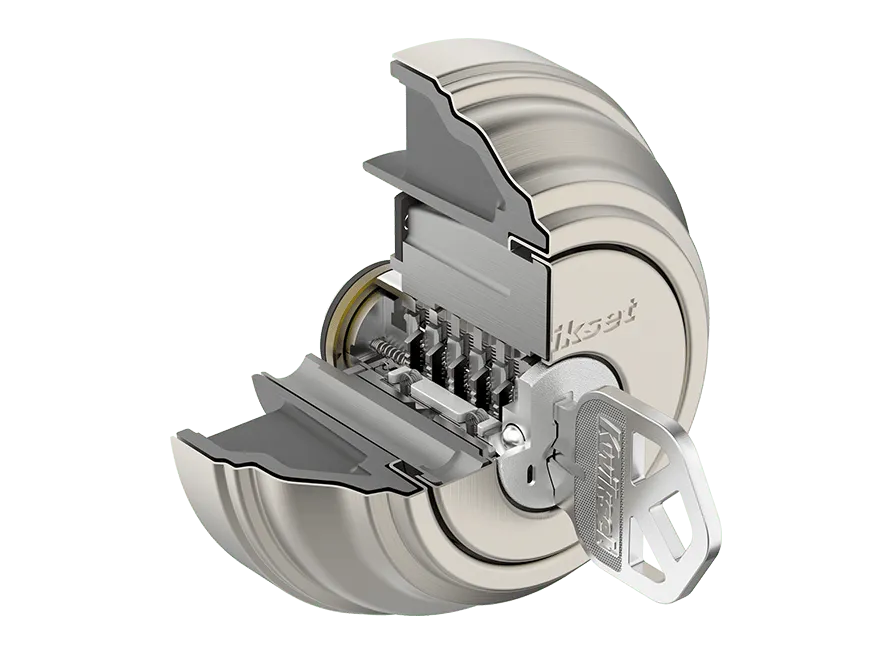
That is why commercial lock rekeying can be an important security measure. Rekeying changes the internal configuration of a lock so previous keys no longer operate it, while the existing hardware can often remain in place.
For businesses in Denver, the right time to rekey depends on what happened, who may have access, and whether the existing locks remain secure. Understanding these factors can help you protect your property without automatically replacing every lock.

Not every security incident involves forced entry. In many cases, the greater concern is that an unauthorized person may still possess a legitimate key.
Common situations that can compromise business lock security include:
The key question is simple: Who can still unlock your business with an existing key?
If you cannot confidently answer that question after a security incident, rekeying may deserve immediate consideration.

Some incidents create a higher risk of unauthorized entry and should be addressed promptly.
If a business key is lost somewhere outside your control or stolen, you cannot know who may eventually find or use it. Rekeying the affected lock makes the old key ineffective.
An employee who leaves the company may still possess keys to offices, storage rooms, inventory areas, or other restricted locations. If all keys cannot be accounted for, rekeying affected locks can restore control.
A forced entry should result in more than repairing visible damage. Your business should also determine whether the existing locking system remains secure and whether any keys or access credentials could have been compromised.
If you discover that a business key was copied without authorization, rekeying can invalidate the existing key and prevent unauthorized copies of that key from continuing to work.

Rekeying and replacing a lock address different security needs.
Rekeying changes the lock’s internal mechanism so the previous key no longer works. It can be a practical option when the existing hardware is in good condition but access needs to change.
Lock replacement involves installing new hardware. This may be appropriate when a lock is damaged, outdated, malfunctioning, or no longer provides the level of security your business requires.
For example, if an employee loses a key but the commercial lock is functioning correctly, rekeying may be enough. However, if a break-in has damaged the lock, door, or frame, replacement may provide a more appropriate solution.
A professional assessment can help determine whether rekeying, repair, or replacement makes the most sense for your property.

Employee turnover is another reason to review physical access.
A business may know that an employee returned a primary key while still being uncertain about duplicate keys, master keys, or keys shared with other employees.
That does not mean every employee departure requires every lock to be rekeyed. Instead, consider:
If you cannot verify that a former employee no longer has working access, Denver business lock rekeying solutions can help eliminate uncertainty without necessarily replacing functional lock hardware.

After a break-in, businesses should address security concerns as soon as reasonably possible.
First, determine how the intruder entered. Then inspect the affected locks, doors, frames, and other access points. You should also consider whether keys, access credentials, or other entry methods could have been compromised.
If the existing lock is functional but unauthorized keys may still exist, rekeying can prevent those keys from working.
If the hardware has been physically damaged or presents a security weakness, replacement may be more appropriate.
A professional Locksmith Denver technician can evaluate the affected entry points and help determine whether rekeying, repair, or replacement is appropriate for the situation.

Before rekeying, consider the entire security incident rather than focusing on one door.
Ask yourself:
These questions can help determine whether you need to rekey one door, several entry points, or a larger portion of the commercial locking system.

After a security incident, businesses may need more than a basic lock adjustment. A professional locksmith can inspect the affected hardware and recommend a solution based on the actual security risk.
Depending on the situation, professional assistance may include:
Choosing professional Denver commercial locksmith services can also help businesses avoid unnecessary hardware replacement when existing locks remain suitable.
The goal is to restore control over who can access the property while maintaining reliable day-to-day security.

Rekeying can solve an immediate access problem, but businesses should also establish better long-term key control.
Consider maintaining a record of issued keys and limiting access to master keys. When employees, contractors, or vendors no longer need access, collect company keys and review whether affected locks should be rekeyed.
Businesses can also schedule periodic lock inspections and consider upgrading outdated hardware or adding electronic access control where appropriate.
A strong physical security strategy comes down to one principle: know who has access and make sure former or unauthorized users cannot continue using old keys.

Not always, but a break-in should trigger a security assessment. If keys or access credentials may have been compromised, rekeying can prevent old keys from providing continued access. Damaged locks may require repair or replacement.
It depends on the employee’s level of access and whether all keys were returned. If you cannot confirm that the former employee no longer has working keys, rekeying affected doors can help restore access control.
Neither is universally better. Rekeying changes which key operates an existing lock, while replacement installs new hardware. Rekeying may be suitable for functional locks, while damaged or outdated hardware may need replacement.
The time depends on the number and type of locks, their condition, and the complexity of the locking system. A locksmith can provide a more accurate estimate after inspecting the affected hardware.
Yes. A professional locksmith can evaluate multiple commercial locks and, when compatible, rekey them as part of a broader access-control plan. Businesses with master-key systems may require a more detailed assessment.
A security incident should prompt a careful review of who can access your business—not simply a repair of whatever appears damaged.
Whether the issue involves a lost key, former employee, unauthorized duplicate, or break-in, rekeying may provide an efficient way to restore control when the existing hardware is still suitable.
If your business needs professional help after a security incident, APEX Locksmith Denver provides commercial lock rekeying services in Denver along with commercial lock repair, replacement, and security solutions. A professional assessment can help you determine the right approach for your property and access requirements.
Secure Your Denver Business Today
Reach Out to Our Locksmiths at Apex With Any Questions You May Have.
We Are Happy to Assist You With Any of Our Services!
Call Us


Apex Denver Locksmith is open 24 hours a day and 7 days a week to provide the best quality locksmith work in Denver Metro and surrounding areas.
Copyright © 2026 | Apex Locksmith Denver